Month-End Bookkeeping Tips to Keep Finances on Track
Follow these month-end bookkeeping tips to track cash flow, reconcile accounts, manage invoices and keep your business finances organised.

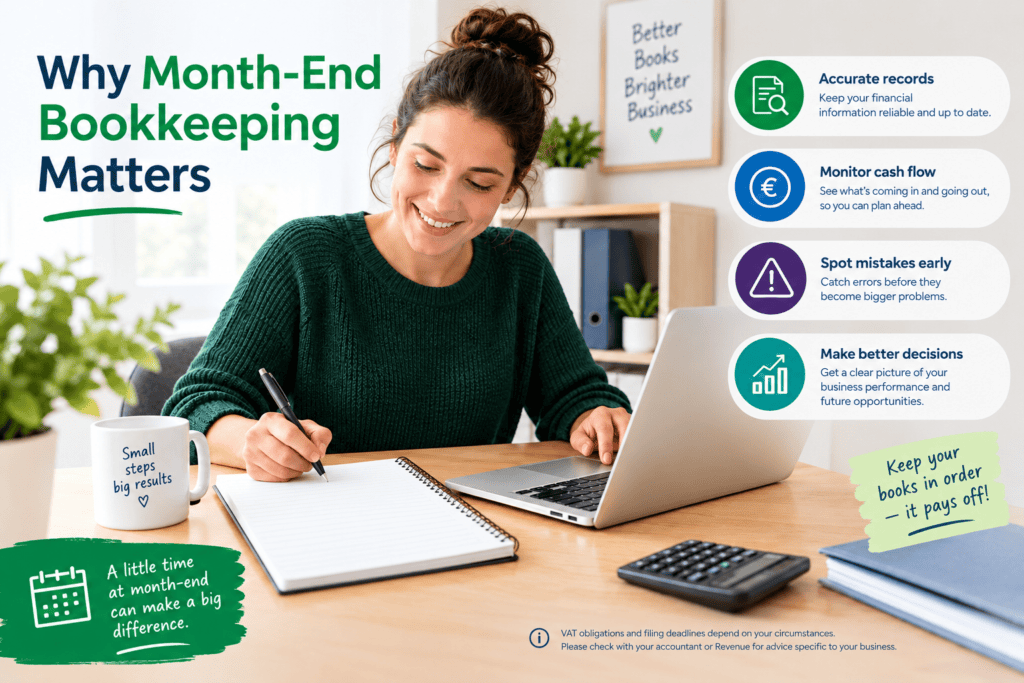
Running a business leaves little time for bookkeeping, but reviewing your finances at the end of each month can make a real difference. A regular routine helps you keep accurate records, monitor cash flow and identify issues such as overdue invoices or unexpected expenses before they become bigger problems.
Keeping your books up to date also helps you plan for upcoming costs, wages and tax payments. With a simple checklist and the right accounting software, month-end bookkeeping can be quicker, easier and less stressful.
Start by making sure all your financial documents are collected and recorded. These include sales invoices, supplier bills, receipts, expense claims and bank statements.
Keeping records organised throughout the month makes it much easier to review your finances and prepare your accounts. For example, a construction business should ensure that receipts for materials, fuel and subcontractor costs are recorded, while a retail business should check that sales from cash and card transactions are reflected correctly in its accounting records.
Gather outstanding invoices, bills and receipts.
Record all income and business expenses.
Check that supporting documents are available.
Store your records securely for future reference.
QuickBooks Online can help you keep financial information organised by storing digital records and attaching receipts to transactions.
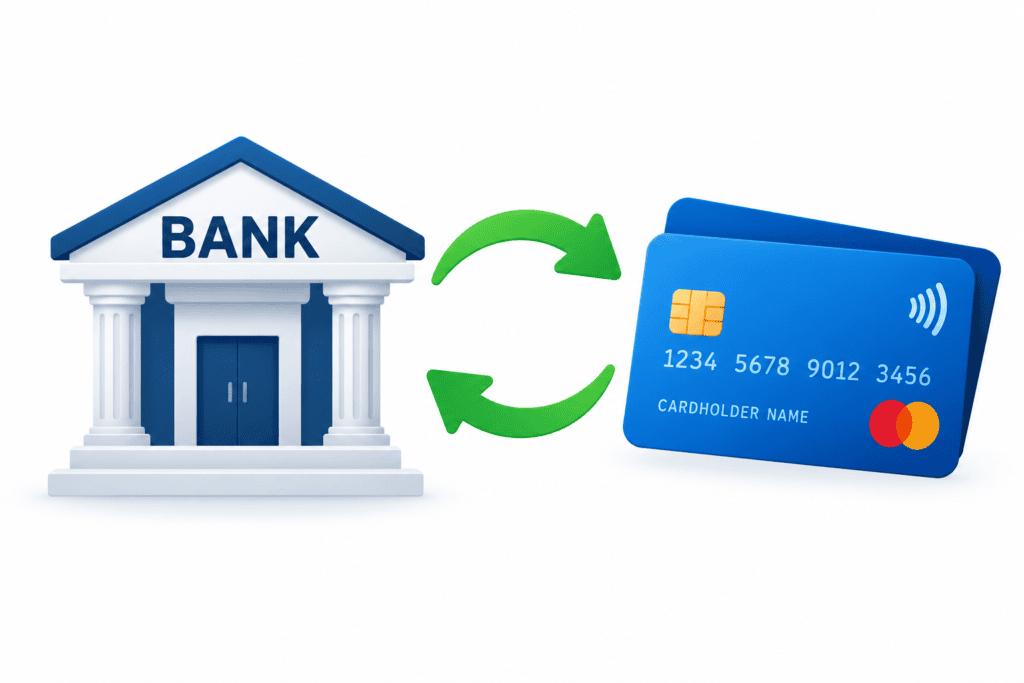
Bank reconciliation involves comparing the transactions in your accounting software with your bank and credit card statements to ensure they match.
Check that customer payments, supplier payments, direct debits, bank fees and card transactions have been recorded correctly. Investigate any missing transactions, duplicate entries or unexplained differences, and confirm that your recorded balances match your statements.
Regular reconciliation helps you identify errors early, maintain accurate records and get a clearer view of your available cash.
Knowing how much money your business is owed and what you need to pay is essential for managing cash flow.
Start by reviewing outstanding customer invoices. Identify overdue payments and follow up where necessary. Even a small number of unpaid invoices can affect your ability to cover wages, supplier bills and other operating costs.
Next, review supplier bills and upcoming payment deadlines. Make sure all bills have been recorded and that you have enough visibility of upcoming payments to avoid unnecessary late fees or financial pressure.
QuickBooks Online helps you track unpaid invoices and outstanding bills, giving you a clearer picture of the money coming into and leaving your business.
Reviewing your expenses helps you understand where your money is going and ensures your financial records are accurate.
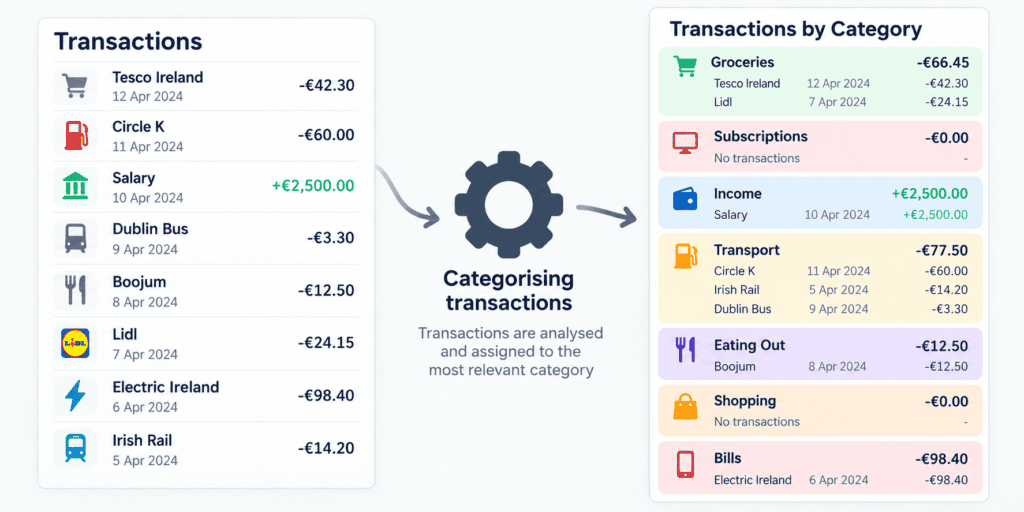
Check that transactions have been assigned to the correct categories, such as rent, utilities, travel, equipment or professional fees. Look out for unusual payments, duplicate entries and personal purchases that may have been incorrectly recorded as business expenses.
It is also important to check the VAT treatment of relevant transactions and ensure that supporting invoices or receipts are available. If you’re unsure how an expense should be treated, consult your accountant.
Keeping VAT and payroll records up to date helps you stay organised and prepare for upcoming reporting and payment deadlines.
Review your sales and purchase transactions to check that they have been recorded correctly and that the appropriate VAT treatment has been applied. Make sure payroll transactions are reflected accurately in your accounts and that any payments due to Revenue have been accounted for.
Finally, check your calendar for upcoming VAT return, payment and payroll deadlines. These will depend on your business and reporting obligations.
Review sales and purchase records for VAT purposes.
Check for missing receipts or incorrectly recorded transactions.
Ensure payroll transactions are reflected accurately.
Check upcoming filing and payment deadlines.
QuickBooks Online helps you organise your financial records and review transactions, making it easier to prepare for your reporting obligations. If something doesn’t look right, investigate it early or speak with your accountant.
Reviewing your financial reports helps you understand your business performance and identify areas that need attention.
Focus on these three key reports each month:
Profit and Loss: Tracks your income, expenses and profit.
Balance Sheet: Shows what your business owns and owes.
Cash Flow: Helps you plan for upcoming expenses and ensure you have enough money available.
Regularly reviewing these reports helps you spot changes, manage finances and make informed business decisions.
Running a business leaves little time for bookkeeping, but reviewing your finances at the end of each month can make a real difference.
A simple month-end routine helps you keep accurate records, monitor cash flow, spot errors and stay on top of invoices and upcoming payments. With your books up to date, you can make more informed decisions and plan ahead with confidence.
With the right checklist and accounting software, month-end bookkeeping can be quicker, easier and less stressful.
Follow these month-end bookkeeping tips to track cash flow, reconcile accounts, manage invoices and keep your business finances organised.
Avoid common bookkeeping mistakes small businesses make. Learn how to keep accurate records, manage invoices, VAT and cash flow with QuickBooks Online.
Learn the bookkeeping basics for small businesses, from Profit & Loss and Balance Sheets to bank reconciliation, expenses and QuickBooks.
| Cookie | Duration | Description |
|---|---|---|
| cookielawinfo-checkbox-analytics | 11 months | This cookie is set by GDPR Cookie Consent plugin. The cookie is used to store the user consent for the cookies in the category "Analytics". |
| cookielawinfo-checkbox-functional | 11 months | The cookie is set by GDPR cookie consent to record the user consent for the cookies in the category "Functional". |
| cookielawinfo-checkbox-necessary | 11 months | This cookie is set by GDPR Cookie Consent plugin. The cookies is used to store the user consent for the cookies in the category "Necessary". |
| cookielawinfo-checkbox-others | 11 months | This cookie is set by GDPR Cookie Consent plugin. The cookie is used to store the user consent for the cookies in the category "Other. |
| cookielawinfo-checkbox-performance | 11 months | This cookie is set by GDPR Cookie Consent plugin. The cookie is used to store the user consent for the cookies in the category "Performance". |
| viewed_cookie_policy | 11 months | The cookie is set by the GDPR Cookie Consent plugin and is used to store whether or not user has consented to the use of cookies. It does not store any personal data. |